When we think of apostasy, the image often comes to mind is an individual who has abandoned their faith. But apostasy is just as dangerous—and arguably more destructive—when it occurs at the denominational level.
By Dr. Tim Orr
As I walked the streets of London during my recent visit, a wave of realization struck me. The UK, once a hub of vibrant Christianity, now prominently, almost defiantly, wears its secularism. The towering cathedrals still stand, but they echo more with the past than with
When we think of apostasy, the image often comes to mind is an individual who has abandoned their faith. But apostasy is just as dangerous—and arguably more destructive—when it occurs at the denominational level.
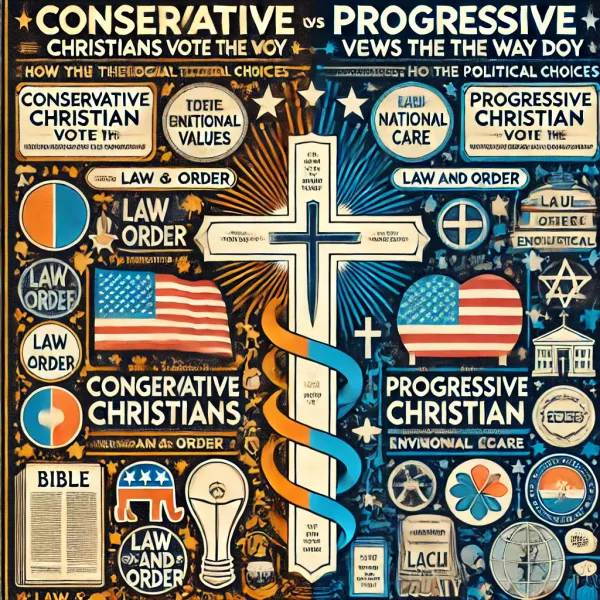
This article explores these theological differences and examines how these beliefs influence the political engagement of both groups to inform, not critique, their respective positions.
White Christian Progressivism has become a quiet but powerful counterpoint to White Christian Nationalism, influencing even segments of Evangelicalism.
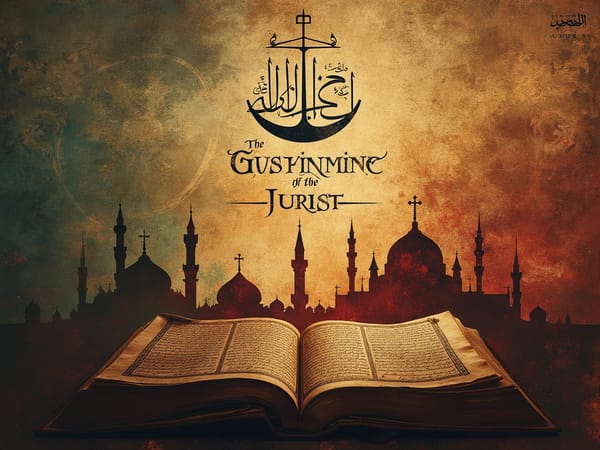
From a Christian evangelical perspective, Khomeini’s framework presents profound theological and ethical concerns, particularly regarding the fusion of religious and political authority, the suppression of individual freedom, and the consequences of human fallibility in governance.
But my connection with Larry wasn’t just as a fan watching him dominate the NBA; it was much more personal. Larry Bird taught me lessons about hard work, consistency, and humility, and I had the privilege of seeing those lessons up close.